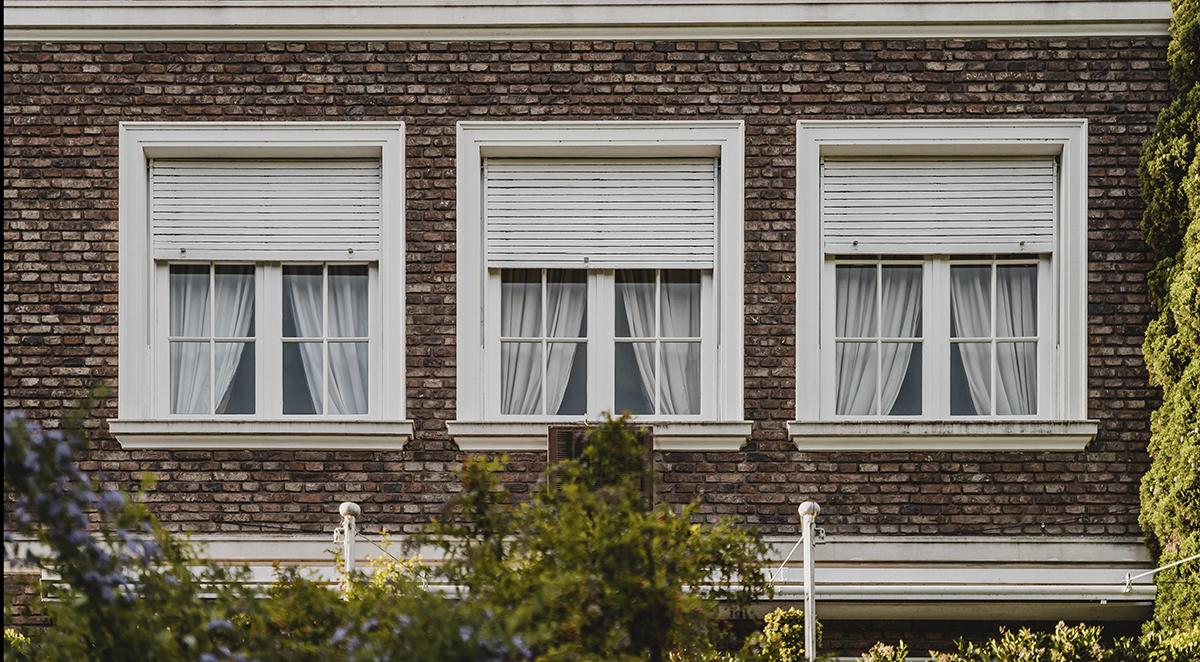
At Guardian Home Pro, we've helped countless homeowners throughout the Carolinas and Georgia determine when window replacement makes sense. This comprehensive guide will help you identify the key warning signs that your windows have reached the end of their serviceable life.
Why Window Replacement Timing Matters
Making the decision to replace your windows at the right time offers several important benefits:
- Energy Savings: Modern energy-efficient windows can reduce your heating and cooling costs by 15-30%
- Enhanced Comfort: Elimination of drafts and cold spots near windows
- Improved Home Value: Quality window replacement typically returns 70-80% of its cost in increased property value
- Reduced Maintenance: New windows require significantly less upkeep than deteriorating ones
- Better Security: Contemporary window designs offer enhanced protection against intrusion
Waiting too long to replace failing windows can lead to energy waste, water damage, security vulnerabilities, and more extensive (and expensive) repairs down the road. Let's explore the clear indicators that your windows need attention.
Sign #1: Noticeable Drafts Around Windows
One of the most common and noticeable signs of window failure is the presence of drafts—those uncomfortable currents of air that seem to flow right through closed windows.
What to Look For:
- Feel for air movement around the window frame when standing nearby
- Hold a lit candle near the window edges (carefully) and watch for flame flickering
- Check for daylight visible around the window frame
- Notice temperature differences near windows compared to the rest of the room
Drafty windows typically indicate failed seals, warped frames, or improper installation. While weatherstripping can sometimes provide a temporary fix, persistent drafts usually signal that replacement is the more cost-effective long-term solution.
Sign #2: Difficult Operation and Functionality Issues
Windows should open, close, and lock smoothly without excessive force or special techniques. When operation becomes difficult, it's often a sign of structural issues that can't be easily repaired.
What to Look For:
- Sticking or jamming when opening or closing
- Windows that won't stay open or gradually slide closed
- Excessive force required to operate the window
- Locks that no longer align or function properly
- Cranks that turn without opening the window (in casement styles)
These operational issues typically result from warping, rotting wood, foundation settlement affecting the frame, or mechanical failures in the window hardware. Once these problems develop, they generally worsen over time and rarely resolve with simple repairs.
Sign #3: Condensation Between Glass Panes
Modern windows typically feature double or triple-pane glass with insulating gas sealed between the panes. When you notice fog, moisture, or water droplets between these glass layers, it signals seal failure.
What to Look For:
- Foggy appearance that cannot be wiped clean from either side
- Water droplets visible between the glass panes
- Milky film that appears to be inside the window
- Condensation that forms in the center of the window rather than at edges
This internal condensation occurs when the seal around the insulated glass unit fails, allowing moisture to enter and the insulating gas to escape. Once this happens, the window's insulating properties are permanently compromised, and replacement is the only effective solution.
Sign #4: Excessive Outside Noise
Modern windows with proper seals and insulated glass provide significant sound reduction from outside noise. If you've noticed increasing noise intrusion from traffic, neighbors, or general outdoor activities, your windows may be failing to provide proper acoustic insulation.
What to Look For:
- Increased traffic noise penetrating into your home
- Ability to clearly hear conversations outside your windows
- Outdoor sounds that seem as loud inside as they do outside
- Noise reduction difference between rooms with different windows
Sound infiltration often accompanies air leakage but can sometimes occur even in windows that don't have obvious drafts. This typically indicates deteriorating seals or thinner glass than modern standards provide.
Sign #5: Rising Energy Bills
While many factors affect energy bills, windows can account for up to 25-30% of your home's heating and cooling costs. If you've noticed a gradual increase in energy costs without corresponding rate increases or usage changes, your windows may be the culprit.
What to Look For:
- Compare energy bills from the same month over several years
- Notice seasonal extremes in heating or cooling costs
- Look for sharp increases that coincide with extreme temperature periods
- Room temperature inconsistencies throughout your home
Energy-efficient replacement windows can significantly reduce these costs. Modern windows with Low-E coatings, multiple panes, and proper installation can dramatically improve your home's thermal envelope, often paying for themselves over time through energy savings. Read our article on how new windows can cut your utility bills for more.
Sign #6: Visible Damage and Deterioration
Perhaps the most obvious sign that windows need replacement is visible damage to frames, sashes, or the glass itself. Different window materials show damage in different ways, but any significant deterioration typically calls for replacement.
What to Look For:
- Wood Frames: Soft spots, discoloration, splintering, or visible rot
- Vinyl Windows: Cracking, warping, fading, or yellowing material
- Aluminum Frames: Corrosion, condensation issues, or bent frames
- All Types: Water stains on the interior wall around the window
- Glass Issues: Cracks, chips, or multiple failed seals
While minor damage can sometimes be repaired, extensive deterioration affects the window's structural integrity, energy efficiency, and security. When repair costs approach 50% of replacement costs, replacement typically offers better long-term value.
Sign #7: Outdated Single-Pane Windows
If your home still has its original single-pane windows, replacement will almost certainly provide significant benefits, even if they appear to be functioning adequately.
What to Look For:
- Single layer of glass without spacing between panes
- Metal frames without thermal breaks
- Windows installed before 1990
- Simple storm windows added as supplemental insulation
Single-pane windows offer minimal insulation value and typically leak air around the frames. The energy savings alone from replacing single-pane windows with ENERGY STAR-certified windows can reduce your annual energy costs by $100-$600 depending on your climate and home size.
Your Window Replacement Decision Guide
If you've identified multiple signs from the list above, it's likely time to consider window replacement. Use this quick assessment guide to help with your decision:
|
Number of Signs Present |
Recommendation |
|
1-2 minor issues |
Consider repair if windows are less than 15 years old |
|
3-4 signs |
Replacement likely more cost-effective than repairs |
|
5+ signs |
Replacement strongly recommended for efficiency and comfort |
|
Any major structural issues |
Replacement needed regardless of window age |
Multi-Family and Property Manager Considerations
For property managers and HOA boards, window replacement decisions involve additional factors:
- Uniform Appearance: Community-wide standards for consistent aesthetics
- Tenant Satisfaction: Impact on occupancy rates and rental premiums
- Maintenance Reduction: Long-term operational cost benefits
- Property Valuation: Effect on overall property asset value
- Energy Certification: Potential for building efficiency ratings
Professional assessment is particularly valuable for multi-unit properties, where window performance affects both operating costs and tenant satisfaction.
Frequently Asked Questions
How long do residential windows typically last?
Most quality windows have a lifespan of 15-25 years, depending on the materials, installation quality, climate conditions, and maintenance. Wood windows typically require more maintenance but can last 30+ years if properly maintained. Vinyl and fiberglass windows generally offer 20-30 years of reliable service with minimal maintenance. Aluminum windows in coastal areas may have shorter lifespans due to corrosion issues.
Can I replace just one window, or should I do all of them?
While single-window replacement is possible, there are several advantages to replacing all windows simultaneously: consistent appearance, contractor efficiency (lower cost per window), matching warranty periods, and uniform energy performance. If budget constraints exist, consider phasing replacements by elevation (all front windows first, for example) or by priority based on condition.
What's the best time of year to replace windows?
Windows can be replaced year-round, but moderate seasons (spring and fall) often provide ideal conditions with minimal temperature extremes. Summer replacements allow for longer daylight working hours, while winter installations may offer better contractor availability and potentially lower pricing. Professional installers can work effectively in almost any weather conditions, using temporary barriers to minimize indoor temperature fluctuations.
How disruptive is the window replacement process?
Professional window installation is surprisingly efficient. Typically, most residential windows can be replaced in 1-2 days with minimal disruption. Each window generally takes 30-60 minutes to replace, and the process includes removing the old window, preparing the opening, installing the new window, sealing, and basic trim work. Installers typically complete one window before moving to the next, minimizing exposure to the elements.
Is window replacement a good investment?
Window replacement consistently ranks among the better home improvement investments, typically returning 70-80% of project costs in immediate home value increase. When energy savings and comfort improvements are factored in, the return often exceeds 100% over time. For rental properties, energy-efficient windows can command higher rents and reduce tenant turnover, further enhancing ROI.
What are the signs that window repair might be sufficient instead of replacement?
Window repair might be sufficient when: the window is relatively new (less than 10 years old), the issues are isolated to specific components (like weatherstripping or hardware), the frames are still structurally sound with no rot or warping, and energy performance remains acceptable. If the window's fundamental structure and insulating properties remain intact, repair may be a viable option.
Window Replacement Diagnostic Checklist
Use this printable checklist to assess each window in your home:
- Drafts: Is there noticeable air movement around the window?
- Operation: Does the window open, close, and lock smoothly?
- Condensation: Is there moisture between glass panes?
- Noise: Does the window allow excessive outside noise?
- Energy: Do rooms with this window seem harder to heat/cool?
- Damage: Is there visible deterioration to frame or glass?
- Age: Is the window more than 20 years old?
- Comfort: Are there temperature differences near this window?
- Maintenance: Does this window require frequent attention?
- Security: Does the window close and lock securely?
If you've checked three or more boxes for any window, it's likely time to consider replacement.
Making the Right Choice for Your Home
Window replacement represents a significant investment in your home's comfort, efficiency, and value. At Guardian Home Pro, we understand the importance of making informed decisions about when to replace your windows.
Our team offers free, no-obligation window assessments to help you determine whether repair or replacement makes the most sense for your specific situation. We provide transparent information, detailed options, and clear pricing to help you make the best choice for your home and budget.
With flexible financing options and professional installation, replacing your windows can be a stress-free investment in your home's future. Contact Guardian Home Pro today to schedule your free window assessment, and take the first step toward more comfortable, energy-efficient living.
Learn more about our premium window installation services and how they can transform your home's comfort, appearance, and efficiency.