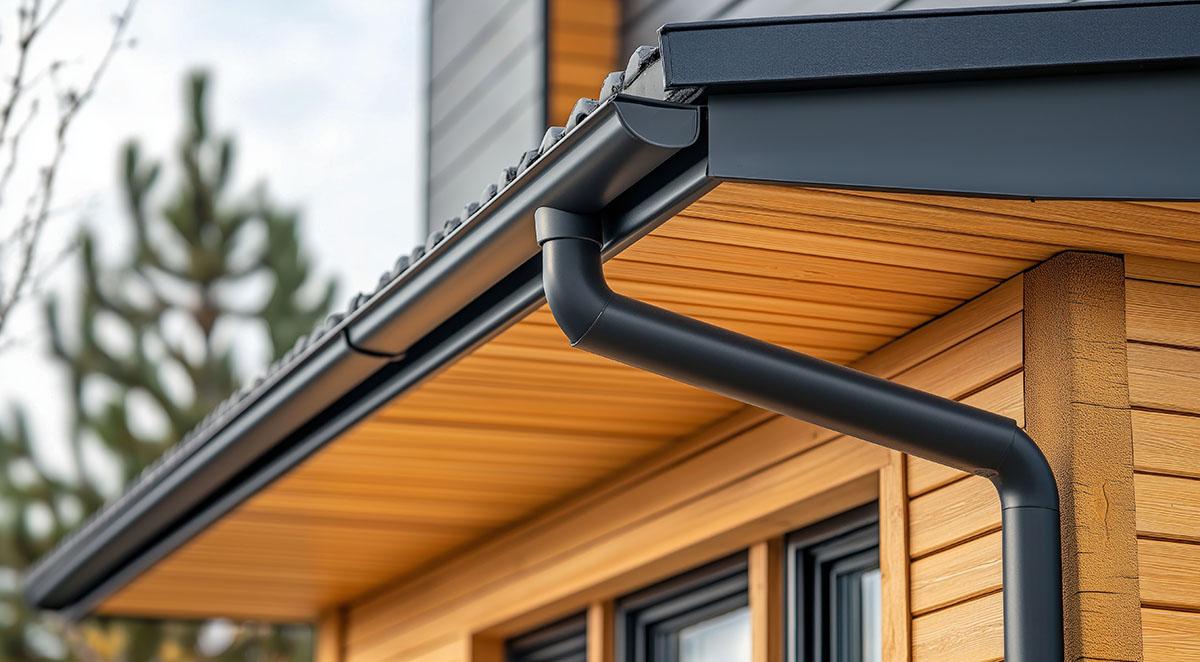
Unlike single-family home gutter projects, HOA installations involve coordinating across multiple units, managing community budgets, and ensuring uniform appearance while delivering reliable protection for all properties. Guardian Home Pro understands these complexities and provides specialized support for HOA boards navigating the planning, budgeting, and implementation of community gutter system projects.
This comprehensive guide explores practical strategies for HOA gutter system planning, from initial needs assessment through project completion, helping board members make informed decisions that protect community investments while managing costs effectively.
1. Understanding Community-Wide Gutter Needs
Assessing Multi-Unit Water Management Challenges
HOA communities face water management challenges that extend beyond individual property concerns. When gutter systems fail across multiple units, the resulting problems can affect shared spaces, community infrastructure, and neighboring properties in ways that single-family issues rarely create.
Common Community Water Issues
- Foundation problems affecting multiple connected units simultaneously
- Landscaping damage in shared areas from improper water drainage
- Walkway and driveway erosion creating safety hazards for residents
- Basement flooding in townhomes and condominiums with shared walls
Effective community planning addresses these interconnected issues through coordinated gutter system improvements that protect both individual units and shared community assets. The key lies in understanding how water flows throughout the entire community and designing solutions that work harmoniously across all properties.
Uniform Appearance and Community Standards
HOA communities typically maintain architectural guidelines that require consistent appearance across properties. Gutter system planning must balance these aesthetic requirements with performance needs and budget constraints.
Aesthetic Coordination Factors
- Color consistency across all units within visible areas
- Material standardization ensuring uniform appearance and performance
- Architectural compatibility with existing community design elements
- Maintenance accessibility for ongoing community upkeep requirements
Planning for uniform appearance often simplifies bulk purchasing decisions while creating attractive, cohesive community aesthetics that preserve property values. However, it requires careful coordination to ensure all properties receive appropriate protection regardless of their specific architectural features.
Long-Term Maintenance and Replacement Planning
Community gutter systems require coordinated maintenance approaches that protect the entire investment while managing ongoing costs predictably. This long-term perspective influences initial system selection and budgeting decisions.
Maintenance Planning Considerations
- Synchronized replacement schedules preventing piecemeal improvements that create appearance inconsistencies
- Bulk maintenance services reducing per-unit costs through volume pricing
- Reserve fund contributions building resources for future system needs
- Warranty coordination ensuring comprehensive coverage across all community properties
2. HOA Budgeting Strategies for Gutter Projects
Reserve Fund Planning and Allocation
Successful HOA gutter projects typically require substantial upfront investment that benefits from advance planning through reserve fund contributions. This approach spreads costs over time while ensuring adequate resources when replacement becomes necessary.
Reserve Fund Development Strategies
- Annual contribution planning building gutter replacement funds over 10-15 year periods
- Professional reserve studies determining appropriate funding levels for gutter system lifecycles
- Interest earning accounts maximizing fund growth through appropriate investment strategies
- Emergency fund maintenance preserving resources for unexpected gutter failures or storm damage
Reserve fund planning works best when HOA boards begin funding gutter replacement several years before systems reach the end of their useful life. This proactive approach prevents the need for large special assessments while ensuring adequate resources for quality installations.
Assessment Options and Community Impact
When reserve funds prove insufficient for comprehensive gutter projects, HOA boards must consider assessment options that balance project needs with community financial capabilities.
Assessment Approach Options
- One-time special assessments providing immediate funding for complete project implementation
- Multi-year assessment plans spreading costs across 2-3 years to reduce individual impact
- Combination approaches using available reserves plus smaller assessments for project completion
- Voluntary prepayment programs allowing willing homeowners to pay assessments early for project acceleration
The best assessment approach depends on community financial circumstances, project urgency, and homeowner preferences. Boards should survey community sentiment and consider multiple options before making final decisions.
Phased Implementation for Budget Management
Large communities often benefit from phased gutter installation approaches that spread costs over time while addressing the most critical needs first. This strategy makes comprehensive improvements more manageable financially while ensuring essential protection continues throughout the project period.
Effective Phasing Strategies
- Priority-based phases addressing buildings with the most critical gutter problems first
- Geographic phases completing entire sections before moving to adjacent areas
- Budget-driven phases aligning project phases with available funding and cash flow
- Seasonal phases scheduling installations during optimal weather periods for best results
3. Bulk Pricing Advantages for Communities
Volume Discounts and Economies of Scale
HOA gutter projects typically qualify for substantial volume discounts that make premium systems more affordable while delivering superior value compared to individual property improvements.
Volume Pricing Benefits
- Material cost reductions of often 15-25% compared to individual homeowner pricing
- Installation efficiency savings through coordinated scheduling and setup
- Reduced mobilization costs spreading equipment and setup expenses across multiple units
- Standardized specifications simplifying ordering and reducing custom fabrication costs
These volume advantages often enable communities to install premium gutter systems at costs comparable to standard individual installations, providing better long-term value and performance for all community members.
Standardized Materials and Installation
Community-wide projects benefit from standardized material specifications that simplify purchasing, ensure consistent appearance, and reduce long-term maintenance complexity.
Standardization Advantages
- Simplified maintenance through uniform materials and installation methods
- Bulk replacement parts availability for future repairs and touch-ups
- Consistent warranty coverage across all community properties
- Streamlined inspection and quality control processes during installation
Standardization also enables better contractor relationships and more competitive pricing through repeat business opportunities and simplified project management requirements.
Cost Comparison: Community vs. Individual Approaches
Understanding the financial advantages of community-wide gutter projects helps HOA boards make informed decisions about timing and project scope.
Typical Cost Comparisons
- Individual installations: $8-12 per linear foot for standard systems
- Small community projects (10-20 units): $6-9 per linear foot with volume pricing
- Large community projects (50+ units): $5-7 per linear foot with maximum volume discounts
- Premium system upgrades: Often available at community standard pricing levels
These cost advantages, combined with coordinated scheduling and reduced individual homeowner hassle, make community-wide approaches attractive for many HOA situations.
4. Community Approval and Communication
Board Presentation Strategies
Successfully presenting gutter project proposals to HOA boards requires clear communication about needs, costs, and benefits that enables informed decision-making.
Effective Presentation Elements
- Visual documentation of current gutter problems and their impact on community property
- Cost-benefit analysis comparing repair costs with replacement investment
- Multiple option comparisons showing different system types and associated costs
- Timeline projections for both project implementation and expected system lifespan
Board presentations work best when they provide comprehensive information while remaining accessible to members with varying levels of construction knowledge and experience.
Homeowner Education and Buy-In
Community gutter projects require homeowner support, particularly when special assessments are necessary. Effective education helps community members understand project value and necessity.
Communication Best Practices
- Multiple communication channels including meetings, newsletters, and digital updates
- Clear cost explanations breaking down per-unit expenses and payment options
- Benefit emphasis highlighting protection value and potential cost savings
- Timeline communication keeping residents informed about project schedules and any disruptions
Transparent communication builds community support while reducing resistance to necessary improvements and assessments.
Managing Community Concerns and Objections
Every HOA gutter project faces some level of community concern or objection. Proactive management of these issues helps maintain community harmony while moving essential projects forward.
Common Concerns and Responses
- Cost objections: Present long-term value analysis and compare with ongoing repair expenses
- Timing concerns: Explain the risks of delaying necessary improvements
- Appearance questions: Provide samples and visual mockups showing proposed improvements
- Disruption worries: Detail steps taken to minimize inconvenience during installation
5. Project Management for HOA Installations
Contractor Selection Criteria
Choosing the right contractor for community gutter projects requires evaluation criteria that go beyond typical residential considerations.
HOA-Specific Selection Factors
- Community project experience with similar-sized HOA installations
- Insurance coverage appropriate for multi-unit properties and community liability
- Communication capabilities for coordinating with boards, management companies, and residents
- Scheduling flexibility accommodating community needs and minimizing disruption
The best HOA contractors understand community dynamics and provide specialized services that address unique challenges of multi-unit property improvements.
Timeline Coordination Across Multiple Units
Successfully coordinating gutter installation across multiple buildings requires careful scheduling that balances efficiency with resident convenience.
Scheduling Coordination Elements
- Pre-project communication notifying all residents about upcoming work schedules
- Unit-by-unit coordination ensuring residents understand when their specific building will be affected
- Weather contingency planning maintaining schedule flexibility for optimal installation conditions
- Progress updates keeping community informed about project advancement and any schedule changes
Effective timeline coordination minimizes disruption while ensuring high-quality installation results across all community properties.
Quality Assurance and Inspection Processes
Community gutter projects require systematic quality control that ensures consistent results across all units while protecting the HOA's investment.
Quality Control Components
- Material inspection verifying all components meet community specifications before installation
- Installation monitoring ensuring consistent techniques and quality across all buildings
- Final inspections confirming each unit meets community standards and warranty requirements
- Documentation processes maintaining records for warranty purposes and future maintenance needs
6. Financing and Payment Coordination
Exploring Financing Options for Communities
HOA gutter projects often qualify for specialized financing programs designed for community improvements that can reduce immediate financial impact on homeowners.
Community Financing Solutions
- HOA improvement loans with competitive rates for community infrastructure projects
- Extended payment terms spreading project costs over manageable periods
- Seasonal payment options aligning with community cash flow patterns
- Reserve fund integration combining available resources with financing for optimal affordability
The right financing approach depends on community financial position, project costs, and homeowner preferences for payment timing and structure.
Managing Payment Collection and Cash Flow
Large community projects require careful financial management that ensures contractor payment while accommodating homeowner payment schedules.
Payment Management Strategies
- Assessment collection scheduling coordinating homeowner payments with contractor payment requirements
- Contingency fund maintenance preserving resources for unexpected costs or changes
- Progress payment coordination aligning contractor payments with project milestones and quality verification
- Final payment procedures ensuring all work meets community standards before project completion
7. Long-Term Community Benefits
Enhanced Property Values and Marketability
Quality community gutter systems provide lasting benefits that enhance property values and improve community marketability to potential buyers.
Value Enhancement Benefits
- Consistent appearance throughout the community creating attractive, well-maintained impression
- Reduced maintenance requirements appealing to buyers seeking low-maintenance community living
- Infrastructure reliability providing confidence in community management and maintenance standards
- Warranty protection offering buyers peace of mind about major system reliability
Reduced Individual Homeowner Responsibilities
Community gutter systems managed through HOA programs reduce individual homeowner maintenance burdens while ensuring consistent care and attention.
Homeowner Benefit Areas
- Eliminated individual gutter maintenance through community-wide service programs
- Professional management ensuring optimal system care and timely repairs
- Group purchasing power for maintenance supplies and replacement parts
- Coordinated warranty service simplifying claims and service requests
8. Frequently Asked Questions
How far in advance should HOAs plan for gutter replacement projects?
Most HOAs benefit from beginning gutter replacement planning 2-3 years before systems reach the end of their useful life. This timeline allows adequate reserve fund building, proper contractor selection, and community education without rushing decisions due to emergency failures.
What percentage of the community budget should be allocated for gutter systems?
A good rule of thumb allocates 3-5% of annual HOA budgets toward exterior maintenance reserves, with gutters representing roughly 20-30% of that allocation. However, specific percentages depend on community age, climate conditions, and other infrastructure needs.
Can HOAs get better pricing than individual homeowners?
Yes, HOAs typically receive 20-40% better pricing than individual installations due to volume purchasing, reduced mobilization costs, and streamlined project management. These savings often enable premium system installations at standard individual pricing levels.
How should HOAs handle unit owners who want to opt out of community gutter projects?
Most HOA governing documents require participation in community-wide infrastructure improvements. Unit owners cannot typically opt out of projects that affect community appearance, safety, or shared systems. However, boards should review governing documents and consult legal counsel when questions arise.
What happens if some units need more extensive work than others?
Community gutter projects should include contingency budgets for addressing variations in individual unit needs. Units requiring additional work beyond standard replacement can often be handled through supplemental assessments or individual owner responsibility, depending on governing documents.
How long do community gutter installation projects typically take?
Timelines vary significantly based on community size and complexity. Small communities (10-20 units) often complete projects in 1-2 weeks, while large communities (100+ units) may require 4-8 weeks. Weather conditions and scheduling coordination affect actual timelines.
Should HOAs include gutter guards in community installation projects?
Gutter guard installation often provides excellent value in community settings through reduced maintenance requirements and bulk pricing advantages. Many HOAs find that premium protection systems pay for themselves through eliminated cleaning costs and extended gutter life.
9. Successful Community Planning for Long-Term Value
HOA gutter system planning requires balancing multiple priorities including community finances, aesthetic requirements, and long-term maintenance needs. Success comes through careful advance planning, transparent communication, and strategic decision-making that considers both immediate needs and future community benefits.
Guardian Home Pro's experience with HOA communities provides the specialized expertise necessary for navigating these complex projects successfully. From initial needs assessment through project completion, we work closely with HOA boards to ensure community gutter projects deliver optimal value while meeting budget requirements and community expectations.
Ready to explore gutter system options for your HOA community? Contact Guardian Home Pro today to schedule your community assessment and discover how strategic planning and bulk pricing can provide superior gutter protection while managing costs effectively for your homeowners association.